30 January 2024
What’s my impact as an artist?
Where can I improve?
What small habits can I implement to build on?
What do I have control over?
Am I happy with the choices I make right now and are they flexible?
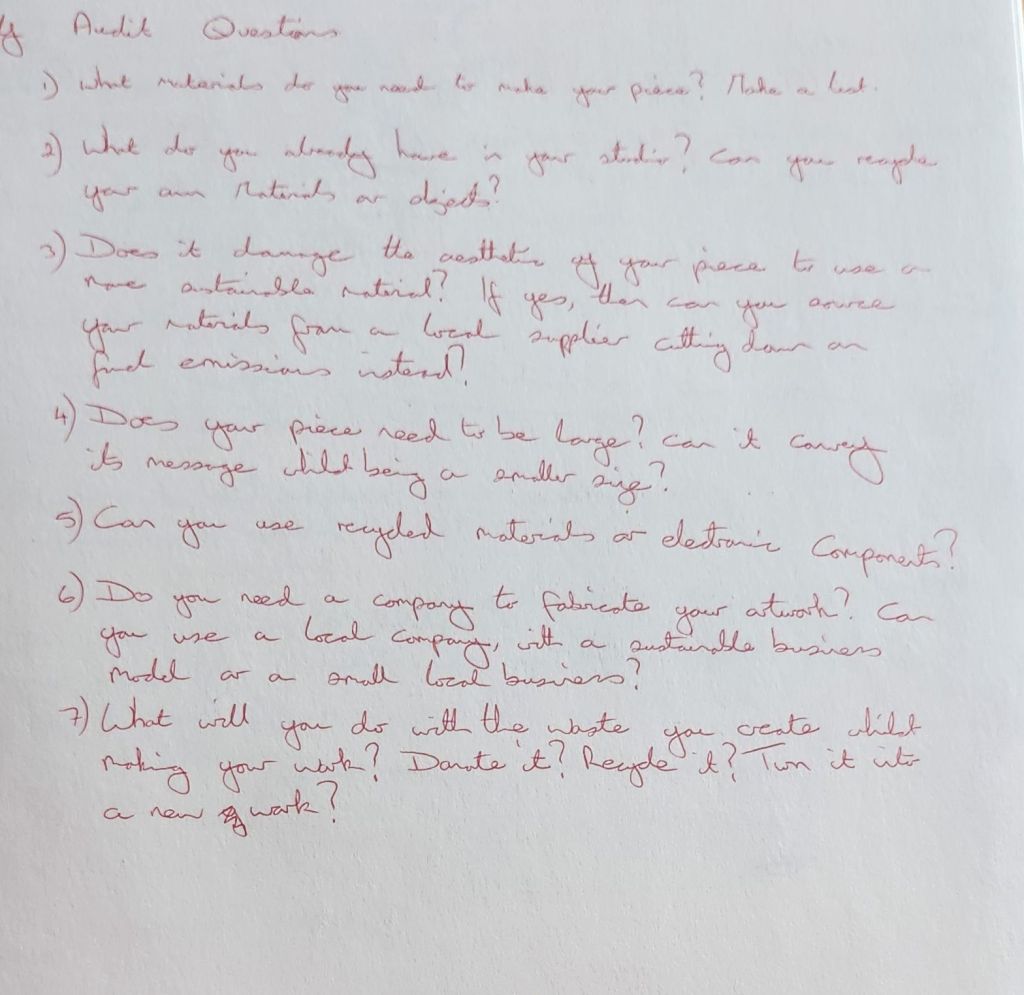
For me, I’m surprised at how much plastic is used in the packaging of our art materials. I purchased some water-based oil paints. The reason I bought rather than made is that as a busy mum, working part time and studying full time, my time is limited. Sourcing, and making your own pigments for paints and inks can be time consuming even though it is really therapeutic and satisfying for the soul.
The set of paints were in a cardboard box, with a clear plastic window, when you pull them out they are in a white plastic tray, held in place on the tray with a thin plastic wrap. The irony of a more environmentally friendly medium being wrapped in something that is harmful to the environment and not always recyclable. Even though our local plastic recycling has improved in recent years.
Photography Audit
Digital v Film
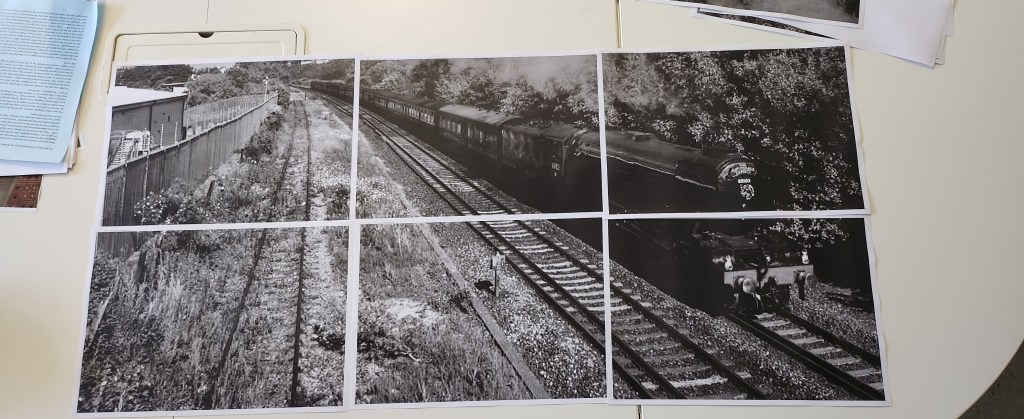
Film photography is more obvious with the chemicals used in developing the film and then exposing. However, digital photography has an impact, where are the large buildings that house the cloud servers? How are they powered as electricity is generated by using other fuels. They have to be kept in climate controlled dust free environments
How do I limit the harm done?
Reduce the use of harmful chemicals by sourcing environmentally friendly products or use household products like coffee, bicarbonate soda, vitamin C, to develop the film.
Scan the negatives and print using digital mediums, using water based inks and recycled paper ideally.
I store all my images on a hard drive at home, only recent files are backed up to cloud storage…. the risk is if the hard drive fails on either the backup or computer, I lose my work.
The thing is, we are not the first to have thought about these things and in my research I found an article in amateur photographer that has listed some great ideas and resources.
Eco-friendly printing
The good news is I am already using cotton rag paper and refillable inks in my printer at home.
If I outsource the development of film then my pledge is to ask the questions about waste management and environmental safeguards the company has.
Painting and Drawing Audit
Or should I call it fine art?
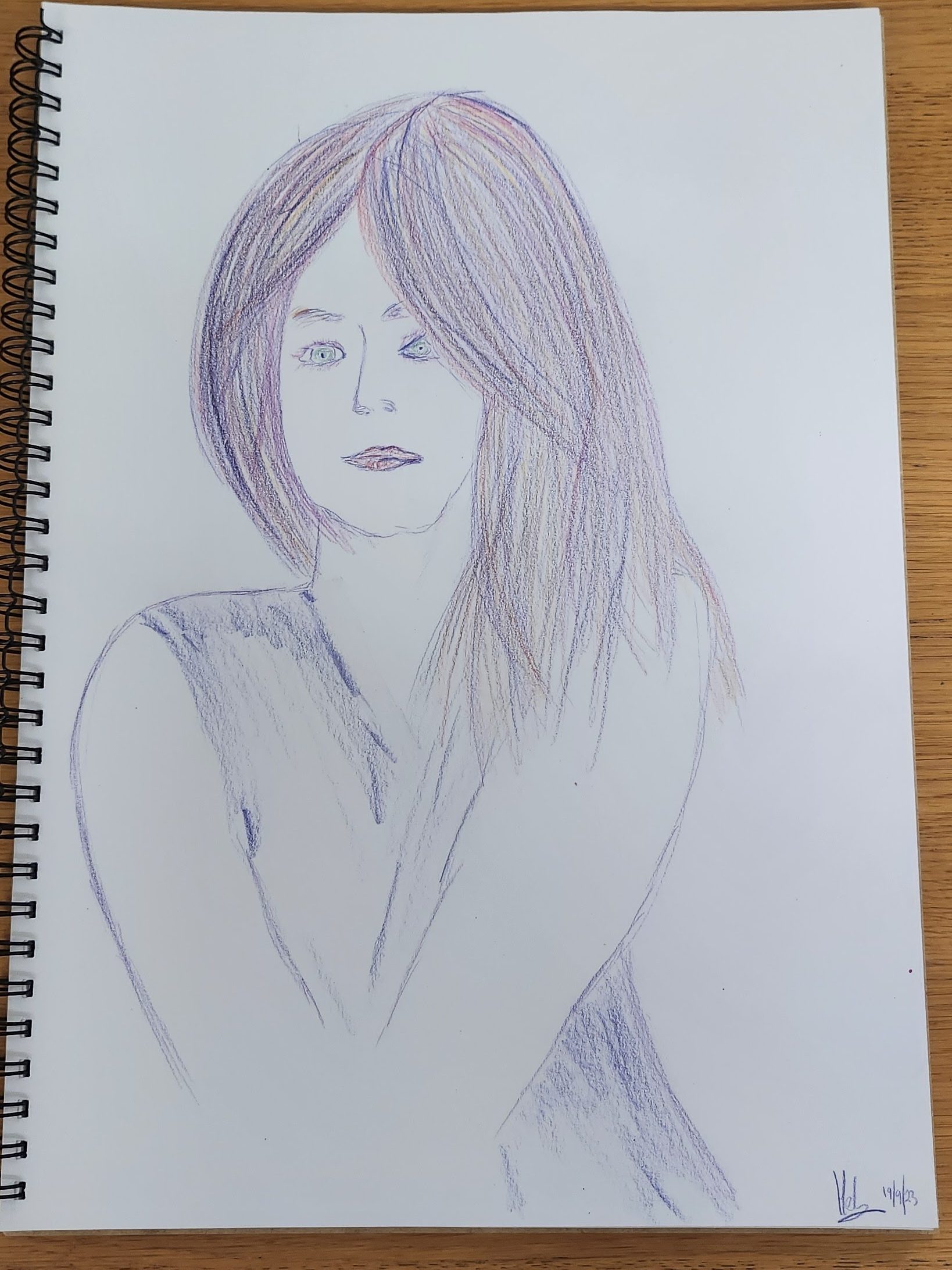
Anyway, last year I experimented with making my own watercolours, oil paints and using egg tempra. The only downside to this for me and my current work/study/create v family balance is time. Is it cheaper for me to source sustainable products and work in my day job, being able to pay the bills whilst I study or spend the time creating my own artist mediums?
The answer to that question fluctuates daily, but as long as I stay true to my ethics then I think any change no matter how small is good.
I also try and repurpose hardboard, wood, tents, and any other items that make a good canvas. Even painting over some old canvasses that I started but haven’t finished or don’t like!
I think a key thing here is to use up any old materials I have lying around, before I go and buy new. Even if they are not ideally sustainable, because wasting the products would be just if not more harmful. I’m also careful about disposal of any solvents and left over paint on my pallets.
Paper I use Khadi papers because they are cotton rag or plant based. As an organisation they use waste water to irrigate farms next to the paper mills and re forest and cut plant crops maximising regrowth. They have found ways to give back to the local communities.
Ceramics Audit
Can’t really get more natural than mud…. however I don’t make my own clay. I’m fairly new to ceramics and understanding the chemistry and make up of glazes, oxides and stains.
However, I know its possible to forage my own materials like red ochre and yellow ochre. I just need to learn a little more to creat my own materials. In the meantime I can pledge to source local and sustainable products where possible.
Whilst at Uni, my pieces are fired along with other students work and it may have restrictions on when firings happen. However, need to factor in that this will reduce the carbon footprint of cost of electricity used to fore the kiln.
If I had a kiln at home in the future it would be worth looking at green energy ie, solar powered.
Wow! Lots to think about. I’m sure when I go to the studio and tidy up the workspace I’ll find lots of things to consider regarding my environmental impact.









 Helen Louise Art